
Yoga for Injury Prevention
Discover how mindful movement and targeted yoga practices can strengthen your body, improve flexibility, and help you avoid common injuries before they happen. Purehabitshealth brings you comprehensive resources to build a resilient foundation for lifelong wellness.
Why Yoga Matters for Your Body
Builds Functional Strength
Yoga engages stabiliser muscles that protect your joints and support proper movement patterns. Unlike isolated gym exercises, yoga develops balanced strength throughout your entire body, reducing the risk of strain and overuse injuries that occur when certain muscle groups become too tight or weak.
Enhances Flexibility & Range of Motion
Limited flexibility is a major injury risk factor. Yoga systematically lengthens muscles and connective tissues, improving your body's ability to move freely. Better range of motion means your body can adapt to unexpected movements and everyday stresses without compensating through harmful patterns.
Improves Body Awareness
Proprioception—your body's ability to sense where it is in space—is crucial for preventing falls and injuries. Yoga practices train your nervous system to better understand alignment and positioning, helping you catch poor posture habits before they cause lasting harm.
Reduces Tension & Tightness
Chronic muscle tension restricts movement and creates compensatory stress on other joints. Yoga's gentle, sustained stretches release this tension safely, restoring natural mobility and reducing the structural stress that accumulates over months and years of sitting or repetitive activity.
Balances Left & Right Sides
Most people develop muscular imbalances—one side stronger or tighter than the other. These asymmetries create uneven stress on joints and the spine. Yoga addresses both sides equally, helping restore symmetry and preventing the one-sided injuries that come from chronic imbalance.
Promotes Mindful Movement
Yoga teaches you to move with intention and awareness rather than autopilot. This mindfulness carries into daily life—you'll naturally catch yourself before reaching overhead awkwardly, lifting with improper form, or adopting positions that stress vulnerable areas.
How Yoga Prevents Common Injuries
Lower Back Pain
Most back injuries stem from weak core muscles and tight hip flexors. Yoga strengthens your deep abdominal and spinal stabilisers whilst opening tight hips, restoring the neutral spine position that protects against strain and damage to discs and ligaments.
Shoulder & Neck Tension
Desk work and stress create rounded shoulders and tight neck muscles, leading to painful pinching and nerve compression. Yoga opens your chest, strengthens your shoulder stabilisers, and releases upper back tension that accumulates from poor posture.
Knee Injuries
Weak hips and tight calves force knees to absorb stress they're not designed for. Yoga strengthens gluteal muscles and opens the entire leg chain, ensuring knees track properly and aren't forced into damaging angles during movement.
Ankle Instability
Many ankle injuries happen not from dramatic falls, but from weak ankle stabilisers and poor proprioception. Yoga improves ankle strength and body awareness, significantly reducing your risk of sprains and the chronic instability that follows.
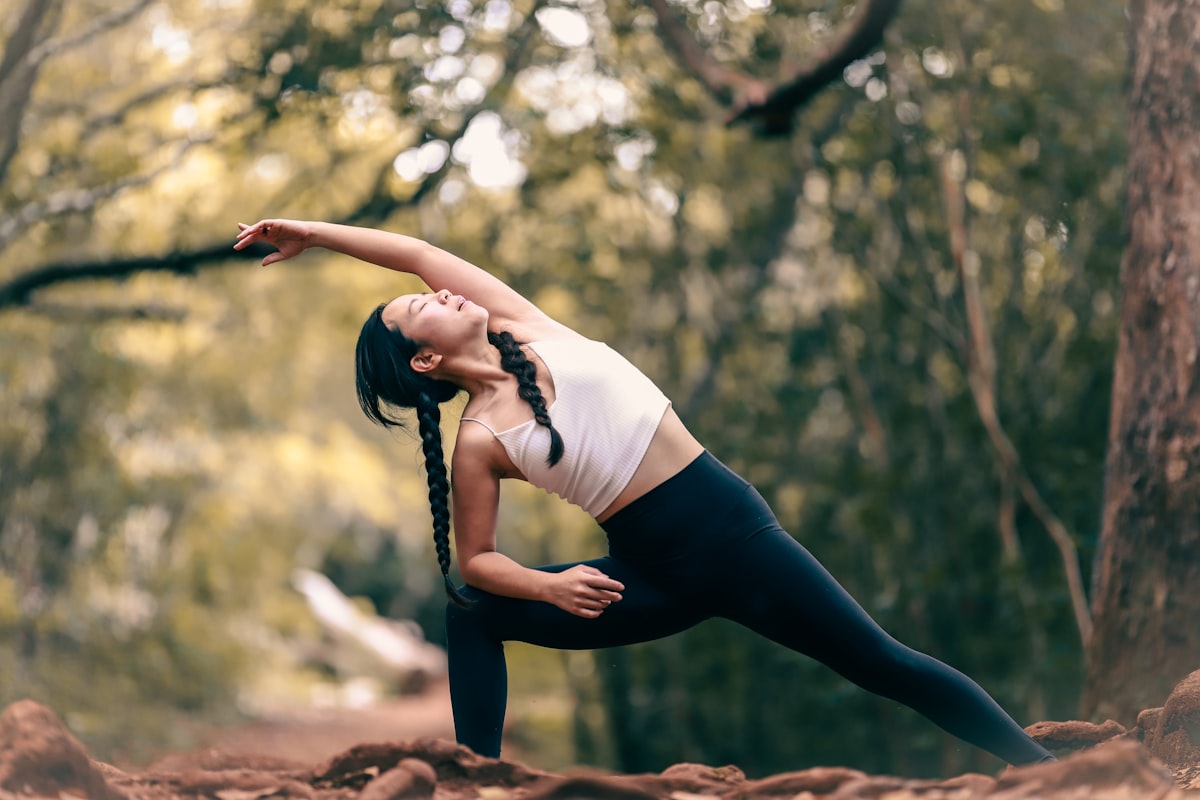
Your 5-Step Path to Injury Prevention
Assess Your Current Movement Patterns
Begin by understanding how you move. Do you hunch at your desk? Favour one leg when standing? Notice where you feel tightness or discomfort. This self-awareness is the foundation of injury prevention—you can't fix what you don't notice.
Start with Foundational Poses
Begin with basic yoga postures that build core strength and awareness: Child's Pose, Cat-Cow, Downward Dog, and Warrior poses. These foundational poses teach proper alignment and activate stabiliser muscles without risk of overload.
Build Consistency & Progress Gradually
Practise 2-3 times per week for 20-30 minutes. Consistency matters far more than intensity. As strength and flexibility improve over weeks, you can gradually add more challenging variations whilst maintaining perfect form—never push into pain.
Address Your Specific Weak Points
Once you've built a foundation, focus on problem areas. Tight hips? Add more hip openers. Weak glutes? Include more activating poses. Stiff shoulders? Spend extra time on shoulder mobility work. Personalisation ensures you're protecting your unique vulnerabilities.
Maintain & Adapt for Life
Injury prevention isn't a destination—it's a lifestyle. Continue regular practice, stay aware of your body's signals, and adjust your routine as life changes (new job, new sport, aging). A brief daily stretching routine maintains the strength and flexibility you've built, preventing regression into old patterns that lead to injury.
Essential Protective Poses for Every Body
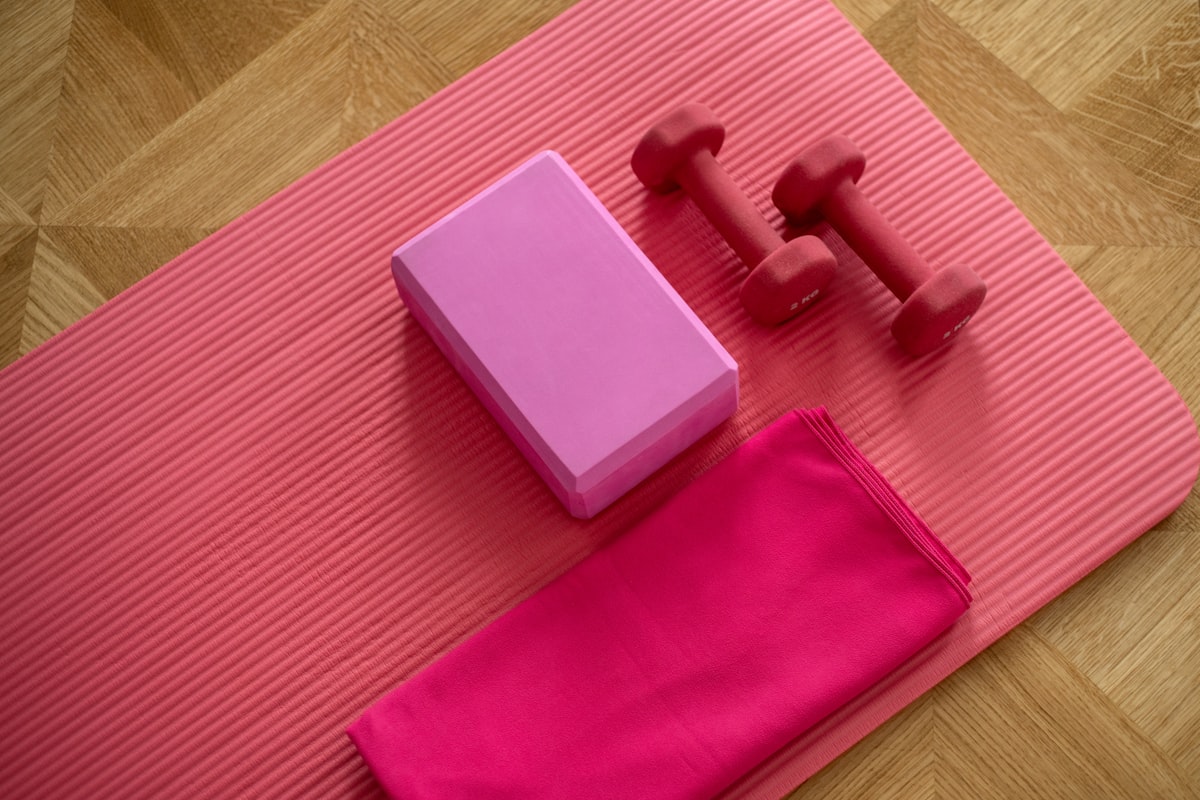
Child's Pose
Gently decompresses the spine and stretches the lower back, hips, and ankles. This restorative pose calms your nervous system and provides a safe way to lengthen the posterior chain without load.
Benefit: Protects against lower back strain and disc pressure.
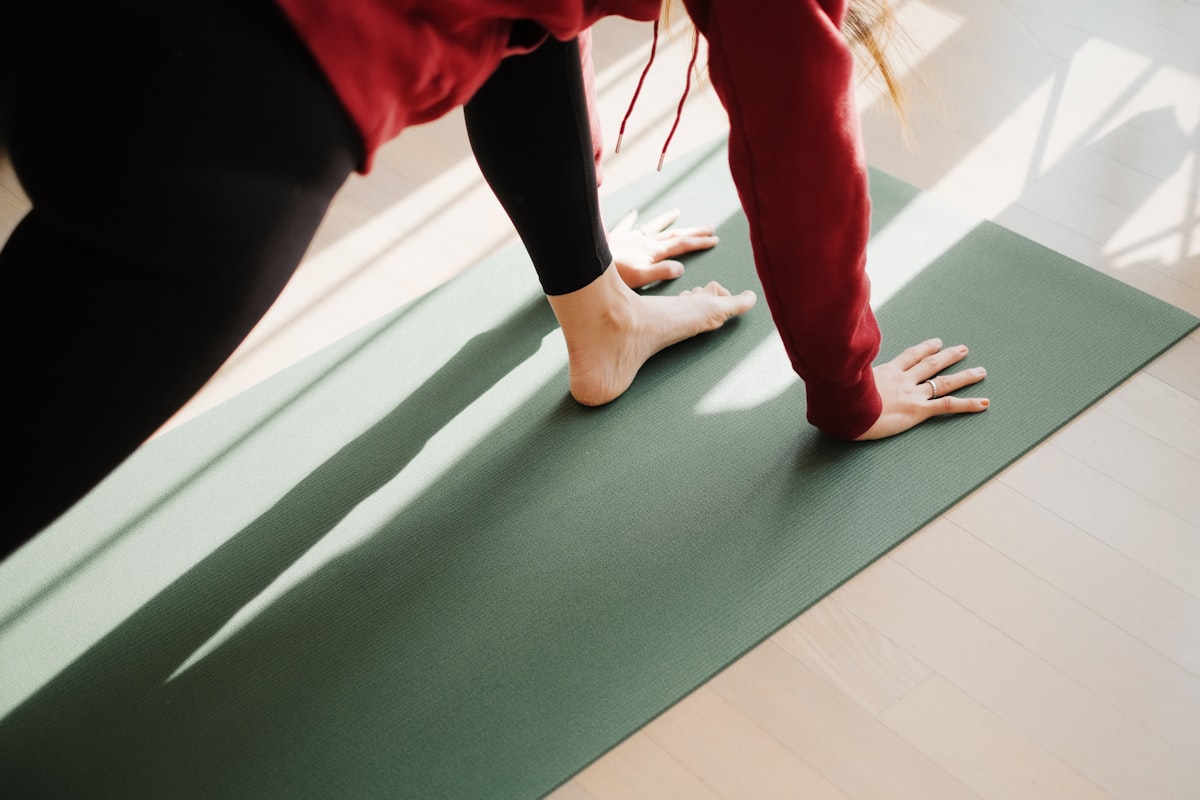
Downward Dog
Builds shoulder stability, strengthens core and leg muscles, and creates a gentle spinal traction. This foundational pose teaches proper weight distribution and shoulder alignment used in many other poses.
Benefit: Prevents shoulder, wrist, and lower back injuries through balanced strength.
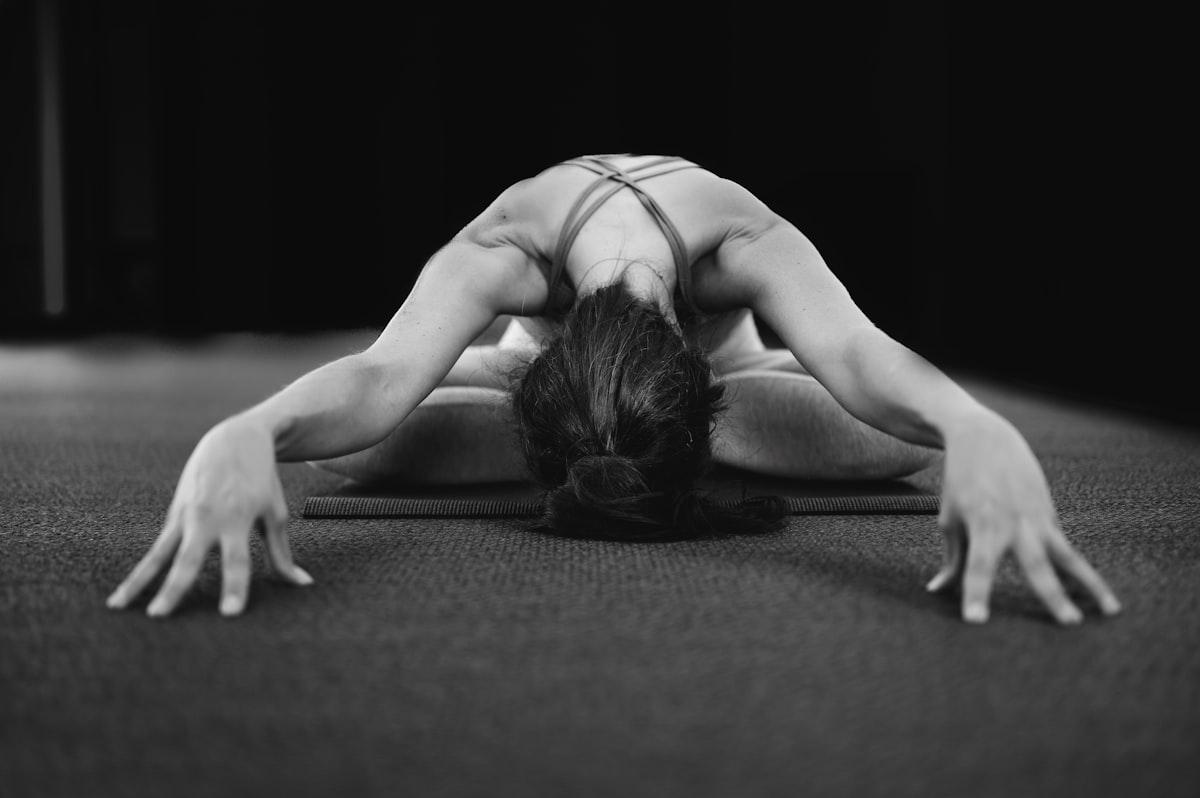
Warrior I
Strengthens legs, glutes, and core while improving balance and hip stability. This powerful standing pose builds the lower body strength needed to prevent knee and ankle injuries during daily activities.
Benefit: Guards against knee, ankle, and hip instability injuries.
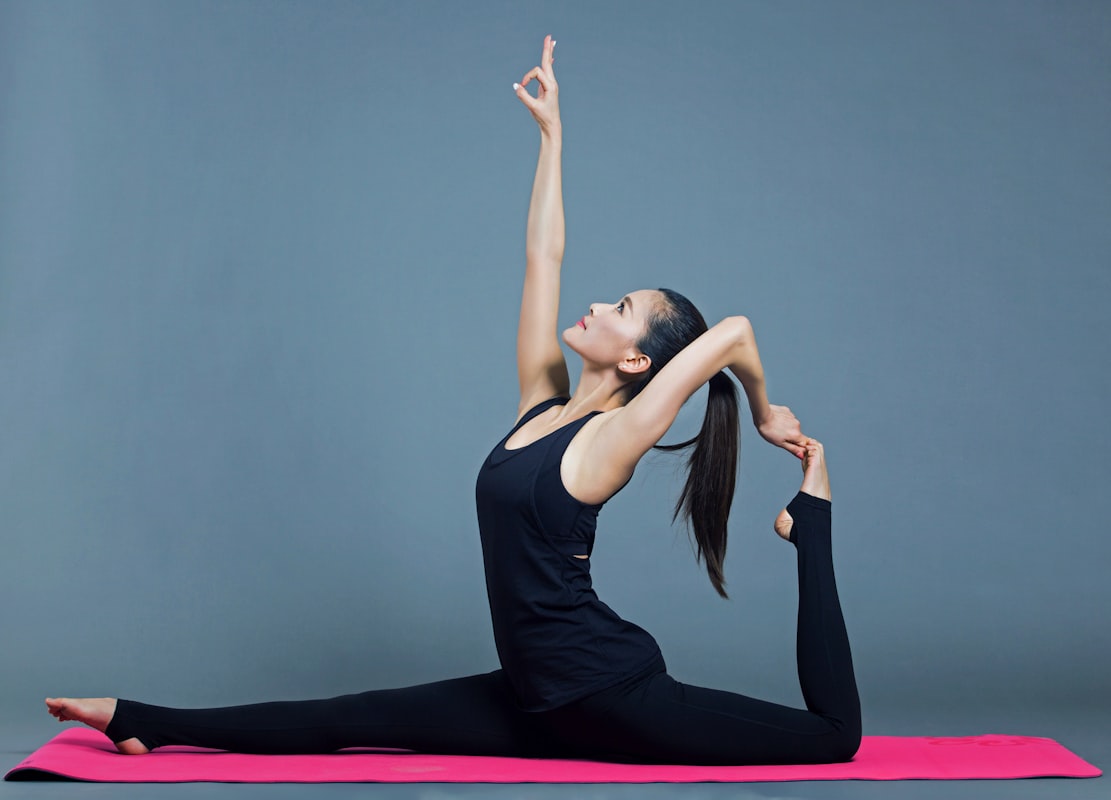
Bridge Pose
Activates and strengthens glute muscles—the powerhouse that supports your entire lower body and spine. Strong glutes are your primary defence against lower back pain, knee injuries, and poor posture.
Benefit: Prevents lower back pain and corrects anterior pelvic tilt.
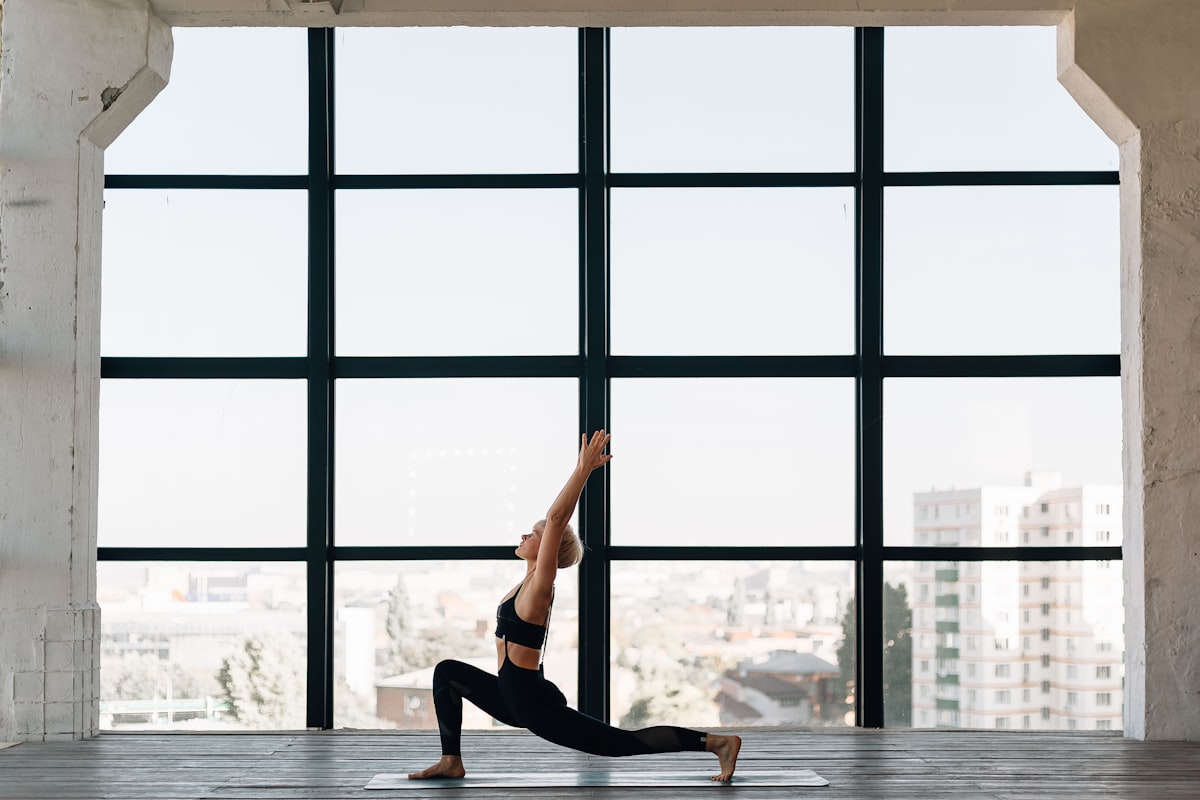
Cat-Cow Stretch
Gently mobilises the entire spine through gentle flexion and extension, warming up spinal muscles and improving segmental movement. This dynamic sequence prevents stiffness and maintains spinal health.
Benefit: Protects against back stiffness and vertebral compression.
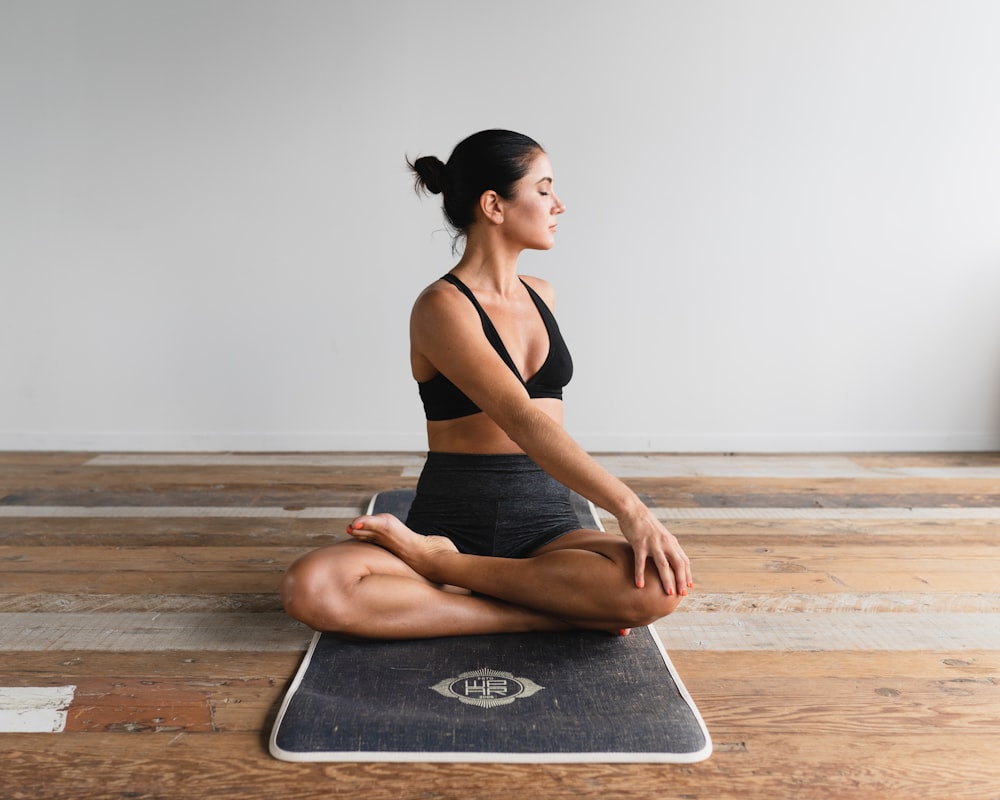
Pigeon Pose
Deep hip opener that releases tension in the gluteus maximus and external hip rotators. Tight hips force compensatory stress through the lower back and knees—Pigeon Pose prevents this cascade of injuries.
Benefit: Prevents lower back pain caused by hip tightness.
What Our Community Says
I spent years with chronic lower back pain before discovering these yoga practices. Within three months of consistent practice, I noticed the pain diminishing. More importantly, I finally understand how to move my body without hurting myself. It's not just about feeling better now—it's about building a body that stays strong as I age.
Sarah Mitchell
Glasgow, Scotland
As someone who sits at a desk all day, I developed terrible shoulder tension and neck stiffness. The resources provided here gave me specific poses that target exactly what I needed. I practise for just 20 minutes each morning, and the difference in how I feel throughout the day is remarkable.
James Parkinson
Edinburgh, Scotland
I used to get ankle sprains at least once a year from playing football. After building ankle stability through yoga, I've gone two years injury-free. I'm stronger now than I was in my twenties, and I finally understand what it means to move with control and awareness.
Marcus Thompson
Manchester, England
The information about how different muscle imbalances lead to injuries completely changed my perspective on fitness. Instead of just doing whatever workout felt good, I now focus on addressing my specific weak points. This preventative approach is so much smarter than waiting for pain to tell me something is wrong.
Elena Rodriguez
London, England
Common Questions About Yoga for Injury Prevention
Yoga can be adapted for most injuries, but the type of practice matters significantly. If you're currently experiencing pain, gentle restorative yoga and very careful mobility work can help without aggravating the area. However, if you have an acute injury, it's wise to allow some initial healing before starting. Once cleared to move, modified yoga poses can often support healing better than complete immobilisation. Always start conservatively and respect any sharp pain signals from your body.
Most people begin noticing improvements with 2-3 sessions per week, each lasting 20-30 minutes. This frequency builds strength and flexibility without overtraining. Some practitioners benefit from daily brief 10-15 minute sessions, especially for maintenance. The key is consistency—regular moderate practice prevents injuries far better than occasional intense sessions. Think of it like brushing your teeth: better to do it every day than to do a deep clean once a month.
Absolutely—in fact, people with limited flexibility often benefit most from yoga. Inflexibility itself is a risk factor for injury because your body can't move through its full available range. Start with gentle beginner sequences using props like blocks and straps to modify poses. Your flexibility will improve within weeks, and you'll simultaneously build the strength needed to protect joints. There's no "too stiff" for yoga—everyone starts where they are.
Preventative yoga builds overall strength, flexibility, and body awareness to stop injuries before they happen. It's for people who are currently healthy but want to protect themselves from future problems. Rehabilitation yoga, by contrast, is specifically designed to address existing damage and restore function after injury. Both share similar principles—mindful movement, progressive strengthening, proper alignment—but preventative yoga is more comprehensive and intense, while rehabilitation is more cautious and targeted.
Yes, many athletes combine yoga with their sport or training. A gentle, short yoga session on the same day as intense activity can serve as active recovery, helping muscles relax and improving mobility without creating additional fatigue. For example, 15 minutes of stretching and breathing work after a run helps prevent injury and speeds recovery. On days you're doing vigorous yoga practice, you might skip other intense exercise to avoid overtraining. Listen to your body's signals rather than following rigid rules.
A basic yoga mat provides cushioning and non-slip grip, making practice more comfortable and safe. However, you can start without one using a folded towel or carpet. As you progress, props like blocks, straps, and blankets make poses more accessible and help you maintain proper alignment. These are inexpensive additions that significantly improve your practice quality. Many poses also require minimal space—you can practise almost anywhere, making it easy to build consistency into your daily life.
Stay Updated with Expert Resources
Join our community of readers for in-depth articles, pose guides, and science-backed information about building a resilient, injury-free body.
We share articles regularly. Unsubscribe anytime. No spam.
Frequently Asked Questions
Find answers to common questions about Purehabitshealth
How do I get started with Purehabitshealth?
Getting started is simple. Sign up for a free account, complete your health profile, and begin tracking your habits. Our personalized recommendations will guide you every step of the way.
Is my health data secure?
Absolutely. We use enterprise-grade encryption and comply with HIPAA standards to ensure your health information is completely private and secure. Your data is never shared without your consent.
How often should I track my habits?
We recommend daily tracking for best results, but our flexible system adapts to your schedule. Even tracking 3-4 times per week shows significant improvement in habit formation and health outcomes.
What support options are available?
Our dedicated support team is available 24/7 via email, chat, and phone. Premium members get priority support and access to certified health coaches for personalized guidance.
Can I cancel my subscription anytime?
Yes, there are no long-term contracts or hidden fees. You can cancel your subscription at any time with just one click. We also offer a 30-day money-back guarantee on all paid plans.
Ready to Transform Your Health?
Join thousands of people who are building better habits and living healthier lives with Purehabitshealth.
No credit card required. 14-day free trial. Cancel anytime.
Purehabitshealth
Building pure habits for a healthier, happier life.